The Science of Seating: Redefining Mobility with Level Transfer Technology
posted on - 2026-01-26
Persons with limited mobility:
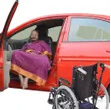
Mobility is often defined by the distance we can travel, but for those with limited mobility, it is truly measured by the ease of the transfer. Whether it’s moving from a bed to a chair or a wheelchair into a car, the physical and psychological toll of being “lifted” can be immense.
Level transfers is designed to eliminate the “lift” entirely. By focusing on the biomechanics of the human body and the specific anthropometric needs of the population, devices can be used to move the patient from one critical medical device to another.

Beyond the Car: Level Transfers at Home
A “level transfer” happens when two surfaces align at the same height. This allows a user to slide across instead of being lifted. This simple shift is transformative for home care in several ways:
-
Bed-to-Chair Transitions: Systems need to match the height of most Indian domestic beds. Therefore, it reduces the risk of skin shearing and prevents caregiver back strain.
-
Dignified Hygiene: Users need seamless movement to washroom commodes. Since these are often hazardous areas, level transfers make them much safer.
-
Social Integration: Systems must also match the height of dining tables and sofas. As a result, users stay at eye level with family, which preserves their sense of equality.
The Science of “The Golden Height”: Indian Anthropometry
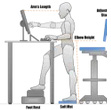
Effective transfer systems cannot rely on Western data because the Indian physique has unique proportions. Therefore, we use scientific studies on Indian anthropometry to calibrate our seat heights:
Why this matters: Research shows that the ideal transfer height should be within ±2 cm of the target surface. For most Indians, the “Golden Height” is between 18 to 20 inches (45–50 cm). Caruna engineers its technology to hit these targets. Thus, the transition becomes a horizontal slide rather than a vertical climb. This reduces the stress on the user’s joints and the effort for the caregiver.
Why Car Seats? The Comfort of Customized Cushioning
Standard wheelchairs often prioritize mobility over comfort. They usually feature thin upholstery or basic foam. In contrast, Caruna brings the luxury of automotive seating to the wheelchair for three key reasons:
-
Ergonomic Contouring: Traditional wheelchair slings are flat. Our car-style seats feature lateral bolsters instead. These provide vital mid-back and hip support for individuals with low stability.
-
Advanced Foam Density: We use high-resiliency (HR) molded foam. This is the same material found in premium SUVs. It distributes pressure evenly, which helps prevent painful pressure sores.
-
Durability & Safety: We build our seats to survive high-impact environments. Consequently, they offer better long-term strength than traditional foldable frames.
Moving Forward
Level transfer technology is more than an engineering achievement. It is a commitment to a life without barriers. We respect the science of the human body and the need for genuine comfort. By doing so, we ensure that every transfer is a step toward greater independence.